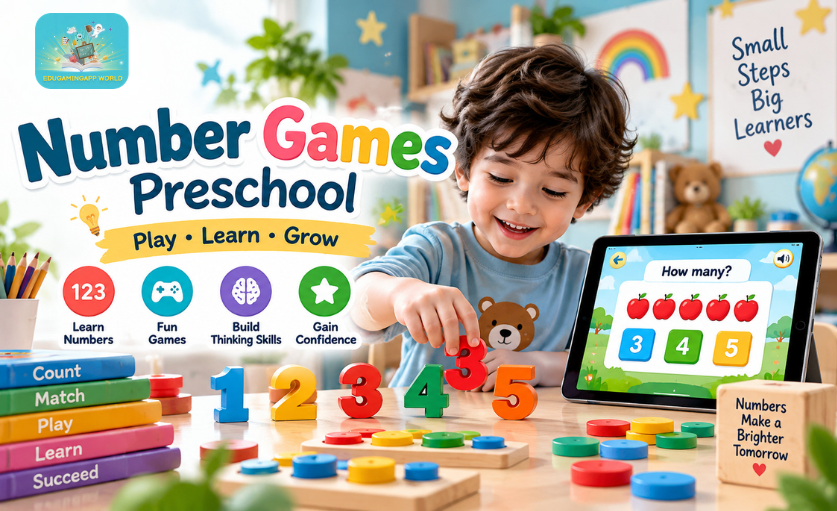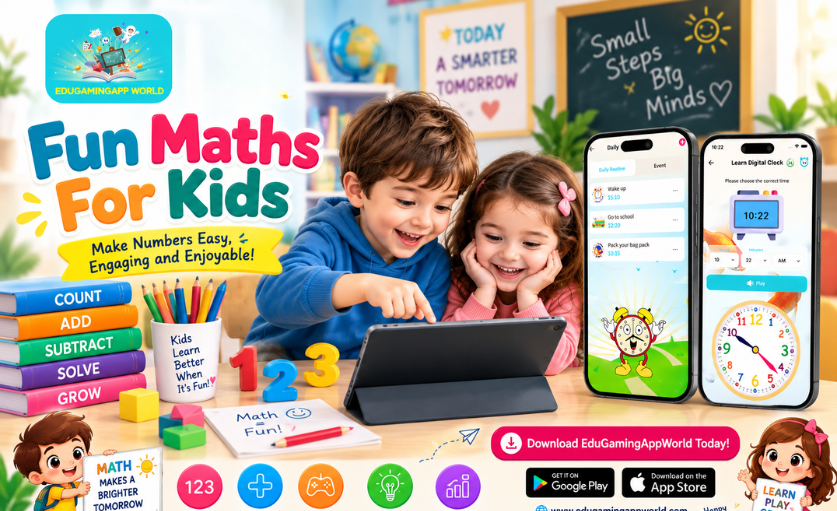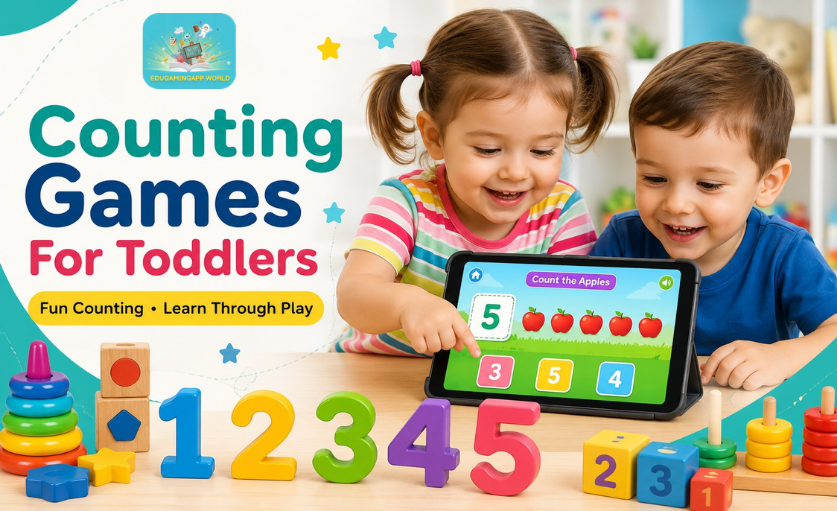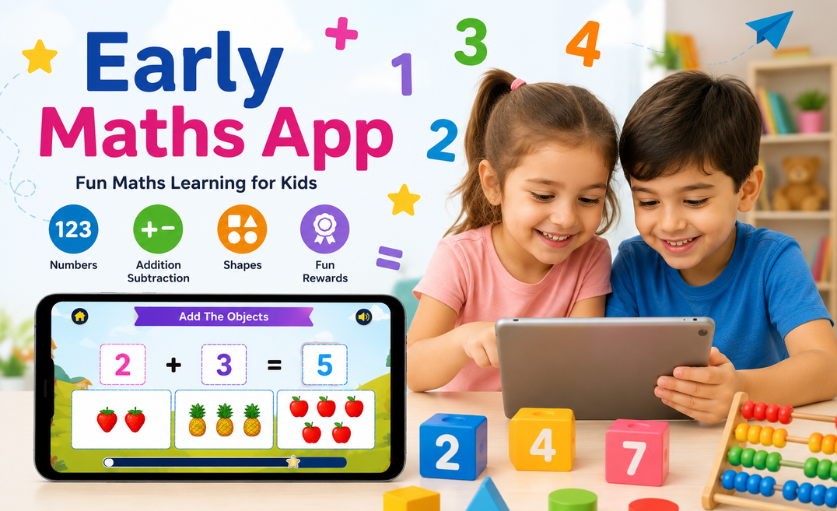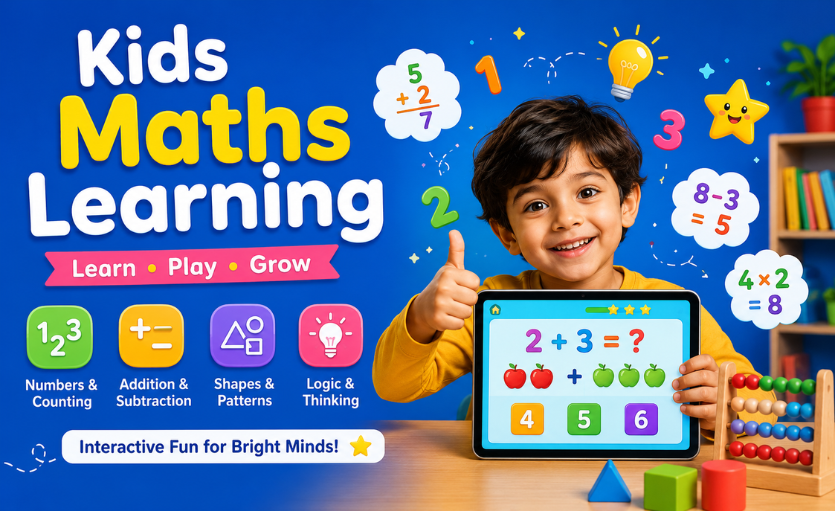
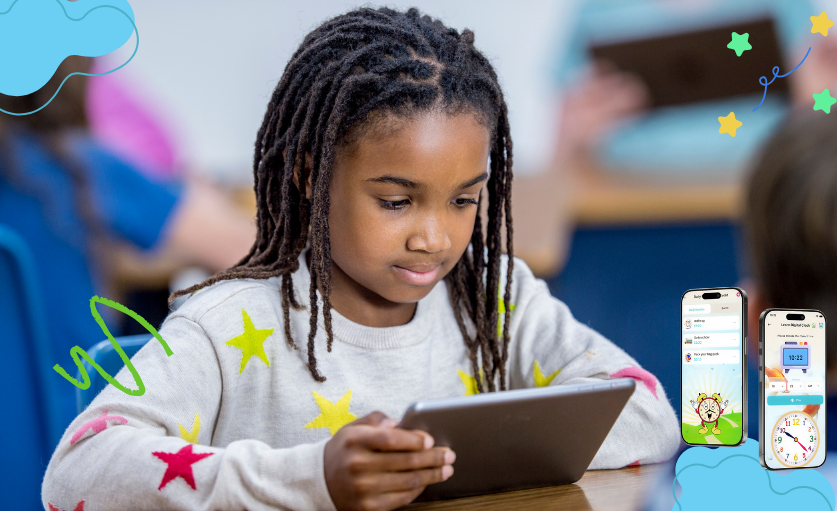
Parents can’t afford to ignore how children learn today. Screens are no longer optional; they are part of daily life. The real question is not whether kids should use technology — it’s whether they are using it productively. That’s where a Kids Learning App becomes critical.
Children between the ages of 5 and 14 now spend an average of 2–4 hours per day on digital devices. According to global education studies, interactive digital learning tools can improve retention rates by up to 60% compared to passive reading alone. If that screen time isn’t structured for growth, it becomes wasted potential.
A well-designed Kids Learning App doesn’t replace traditional learning — it strengthens it.
The Reality: Traditional Learning Alone Isn’t Enough
Let’s be honest. Classroom education is important, but it’s often standardized. Not every child learns at the same speed or in the same way. Some are visual learners. Some grasp concepts better through interaction. Others need repetition.
Now imagine two children learning multiplication tables:
- Child A reads from a textbook for 20 minutes.
- Child B uses an interactive game that rewards correct answers, adapts difficulty, and provides instant feedback.
Which one is more likely to stay engaged?
Research shows gamified learning increases engagement levels by nearly 50%. When learning feels like a challenge rather than a chore, children stay focused longer and absorb more information.
This is where digital learning becomes powerful — if it’s designed correctly.
Real-Life Example: When Learning Becomes Enjoyable
Take Aarav, an 8-year-old who struggled with problem-solving skills. His parents noticed he avoided math homework and became frustrated easily. They introduced structured digital learning sessions through a dedicated learning platform.
Within three months, Aarav’s performance improved significantly. More importantly, his attitude changed. He began approaching challenges with curiosity instead of fear.
Why?
Because interactive learning tools stimulate multiple areas of the brain at once — visual processing, logical reasoning, and decision-making. When children make choices inside a game-like environment, they build confidence and cognitive flexibility.
That transformation doesn’t happen with random screen use. It happens with intentional design.
What Makes a Good Kids Learning App?
Not every app labeled “educational” actually educates. Many are just flashy distractions. A strong Kids Learning App must include:
- Cognitive skill development
- Creativity stimulation
- Problem-solving exercises
- Decision-making challenges
- Teamwork opportunities
- Age-appropriate progression
The structure matters. Random quizzes won’t build long-term skills. Layered challenges and adaptive content will.
According to education technology reports, children using structured learning apps show up to 30% improvement in cognitive task performance compared to those using non-educational apps.
That’s not small.
Why Edugamingappworld Stands Out
Now let’s talk specifics.
Edugamingappworld is built with one goal: helping children and young adults develop cognitive abilities while increasing creativity and imagination. It doesn’t just teach — it trains the brain.
Here’s what makes it impactful:
1.Cognitive Skill Development
The platform focuses on strengthening logical reasoning, memory, and analytical thinking through structured interactive modules.
2.Creativity & Imagination Boost
Instead of rigid lessons, it encourages exploration. Children build ideas, experiment with decisions, and learn from outcomes.
3.Decision-Making & Teamwork
Real-world simulations inside the app teach kids to evaluate choices and collaborate. These are life skills — not just academic skills.
4.Global Accessibility
Designed for children and young adults worldwide, it supports diverse learners and scalable progress.
Parents looking for structured digital learning don’t need another generic app. They need something designed intentionally for growth.
Edugamingappworld is positioned as the next-generation educational learning platform. It goes beyond passive consumption and creates active participation.
And yes — you can download Edugamingappworld from Google Play or the App Store.
If you’re serious about structured learning, this isn’t optional. It’s practical.
The Bigger Picture: Future-Ready Skills
Here’s the uncomfortable truth.
The future job market won’t reward rote memorization. It will reward:
- Critical thinking
- Adaptability
- Creativity
- Digital literacy
- Collaborative problem-solving
The World Economic Forum consistently lists analytical thinking and innovation among the top skills required for future careers.
If children aren’t developing these skills early, they start behind.
A structured Kids Learning App introduces these abilities naturally through interactive design. Children learn by doing — not just by reading.
Parents Need to Be Strategic
Handing a child a tablet without guidance is lazy. Using technology strategically is smart.
You don’t need to eliminate screen time. You need to control it.
Instead of random videos:
Choose structured learning.
Instead of passive scrolling:
Choose interactive growth.
Instead of hoping school covers everything:
Supplement intelligently.
Parents who actively choose educational platforms give their children an advantage. Not because it’s trendy — but because it’s effective.
Final Thought: Stop Wasting Screen Time
The question isn’t whether kids will use technology.
They will.
The question is whether that time builds skills or erodes attention spans.
A well-designed Kids Learning App transforms digital exposure into measurable development. With rising academic competition and increasing digital dependence, strategic learning tools are no longer a luxury — they are necessary.
If you’re a parent serious about developing your child’s cognitive abilities, creativity, imagination, and decision-making skills, the solution is straightforward.
Choose a platform built for growth.
Download Edugamingappworld from Google Play or the App Store and turn screen time into skill time.
Because wasted potential is a choice — and so is smarter learning.